

5 Common Radiator Problems: How Heavy-Duty Radiator Repair Can Help
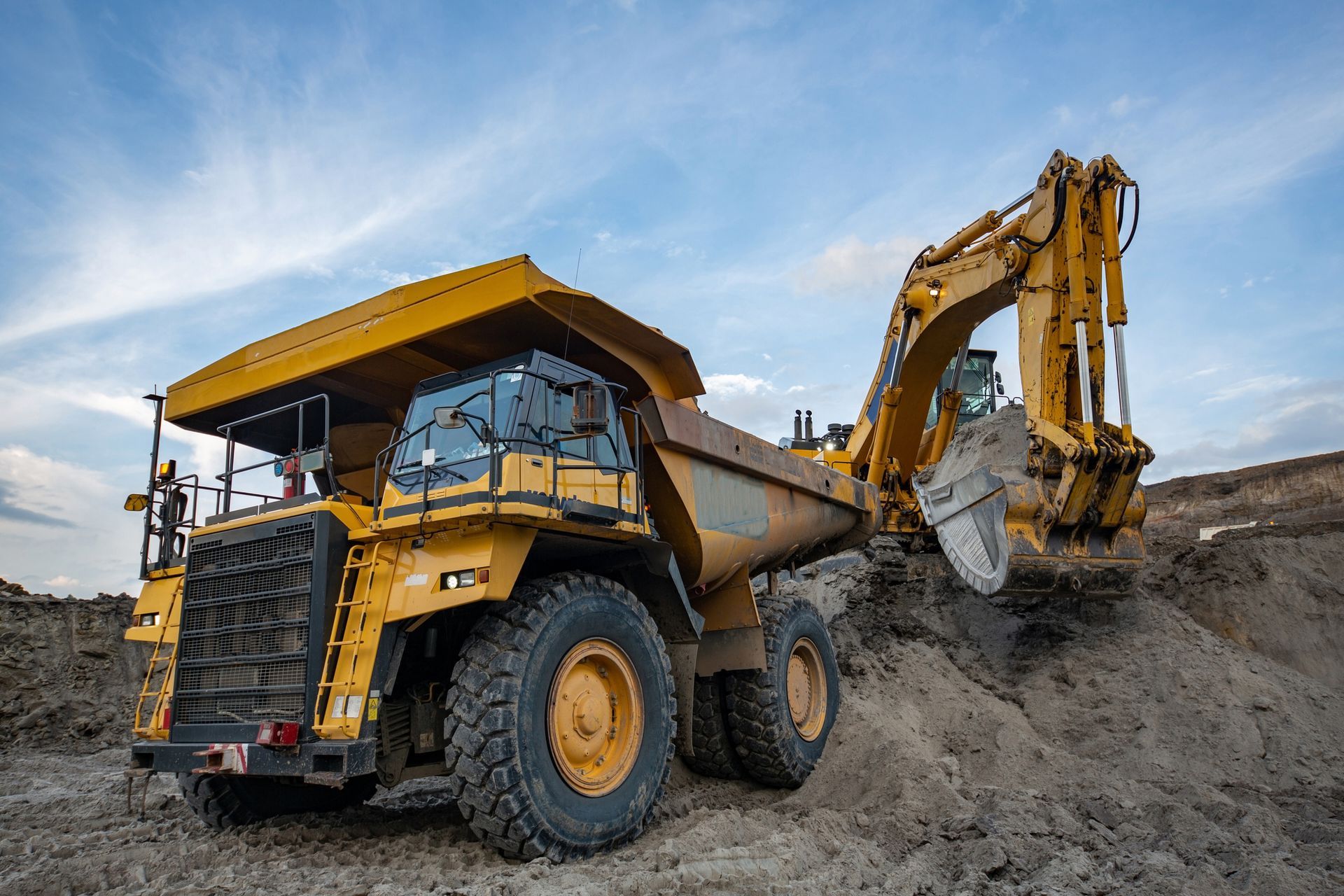
In the unforgiving settings of mining, rail, oil, gas, and heavy industry, every minute of uptime counts. Equipment is expected to perform without compromise, yet the real world is anything but ideal. Here, radiators face punishing loads, challenging environments, and relentless demands. When cooling systems falter, the consequences extend far beyond the cost of the radiator itself. That’s where a practical approach to heavy-duty radiator repair in Welshpool, WA, becomes a critical, strategic advantage.
The Nature of Overheating in Heavy Industry
Overheating is by far the most common and expensive radiator problem faced by operators. It can bring productive sites to a standstill and force split-second decisions that affect asset longevity, safety, and operational budgets. In remote mines or high-output workshops, losing a digger, locomotive, or earthmover to a cooling failure isn’t just inconvenient; it’s unacceptable.
Heavy-duty radiators in these machines must cope with abrasive dust, variable thermal loads, vibration, chemical contamination, and repeated thermal cycling. The engineering reality is, even the toughest
radiators are susceptible to blockages, leaks, and restricted coolant flow over time.
How Do Heavy-Duty Radiators Typically Fail?
Radiator issues rarely announce themselves until performance is already compromised. In practice, the most common heavy-duty cooling system failures include:
1. Core Blockage
Heavy particulate matter, whether from iron ore fines, coal dust, or mineral debris, can clog tubes, reducing heat exchange and flow. High outside temperatures often exacerbate these issues during critical shifts.
2. Fin or Tube Damage
Rough terrain, vibration, and accidental impacts bend or tear delicate fins and tubes. Even minor damage can reduce airflow and create localised hot spots. Professional heavy-duty radiator repair restores optimal performance by straightening or replacing damaged components, ensuring reliable cooling even in the harshest operating environments.
3. Coolant Contamination
Sub-par coolant mixes, or chemical reactions with deposits, can corrode radiators from the inside. Sludge, scale, and rust all impede performance.
4. Leaks and Pressure Failures
Fatigue cracks, blown seals, or failed gaskets lead to low coolant pressure, rapid fluid loss, and temperature spikes. Small leaks often go unnoticed until they combine to become a critical failure.
5. Poor Fit, Wrong Part or Subpar Repair
Non-OEM parts, or poor-quality repairs, risk misalignment, incompatibility with attachments, and reduced service intervals. A headache for anyone accountable for major equipment.
Why Overheating Is More Than Just an Operational Inconvenience
Overheating isn’t just the top reason for unplanned downtime; it’s a root cause of spiralling costs throughout an asset’s lifecycle. Uncontrolled temperatures damage seals, warp heads, degrade lubricants, and threaten entire engine assemblies.
A cooling system that can’t cope means more workshop hours, higher fuel burn, and even environmental breaches. For maintenance managers and reliability engineers committed to meeting efficiency targets, the message is clear: a proactive, high quality heavy-duty radiator repair is non negotiable.
Diagnosing Problems: Practical Signs to Watch
Operators and trades rely on first-hand experience. Sudden temperature climbs, warning lights, or coolant smells demand immediate inspection.
Other telltale signs include the following:
- Consistently high coolant use without obvious leaks.
- Localised engine hissing or steam after shutdown.
- Discoloured coolant or residue near filler caps.
- Noticeable vibration or clatter around the radiator core.
- Unusual drops in power under load.
By acting early, you avoid expensive knock-on effects, saving time and money and extending asset life.
The Role of Expert Radiator Repair in Preventing Failures
Routine servicing and detailed inspections are central to keeping radiators in optimal condition. However, once a problem is identified, the skill of the repair team and the parts used make all the difference in long term performance and reliability.
When seeking radiator repair, the following practical steps protect both uptime and investment:
Assessment: A thorough inspection looks for all probable faults: internal or external blockages, physical damage, and the integrity of seals and pressure systems.
Specialised Cleaning or Restoration: Spring cleaning removes mineral, chemical and organic build-up, restoring proper flow. Quality heavy-duty radiator repair will use processes that avoid collateral damage to delicate fins or joints.
Component Replacement: If core tubes, headers, or seals are compromised, they are replaced with precision-fit parts, sourced from trusted heavy-duty radiator manufacturers. This ensures restored OEM-equivalent performance every time.
Pressure and Performance Testing: After repair, the radiator is tested under simulated high-load conditions. Only after passing stringent benchmarks is it cleared for reinstallation.
End-to-End Communication: An effective radiator repair provider delivers more than just a fix. They keep you informed, provide practical recommendations, and help schedule further preventative maintenance.
The Critical Importance of Sourcing Quality From Heavy-Duty Radiator Manufacturers
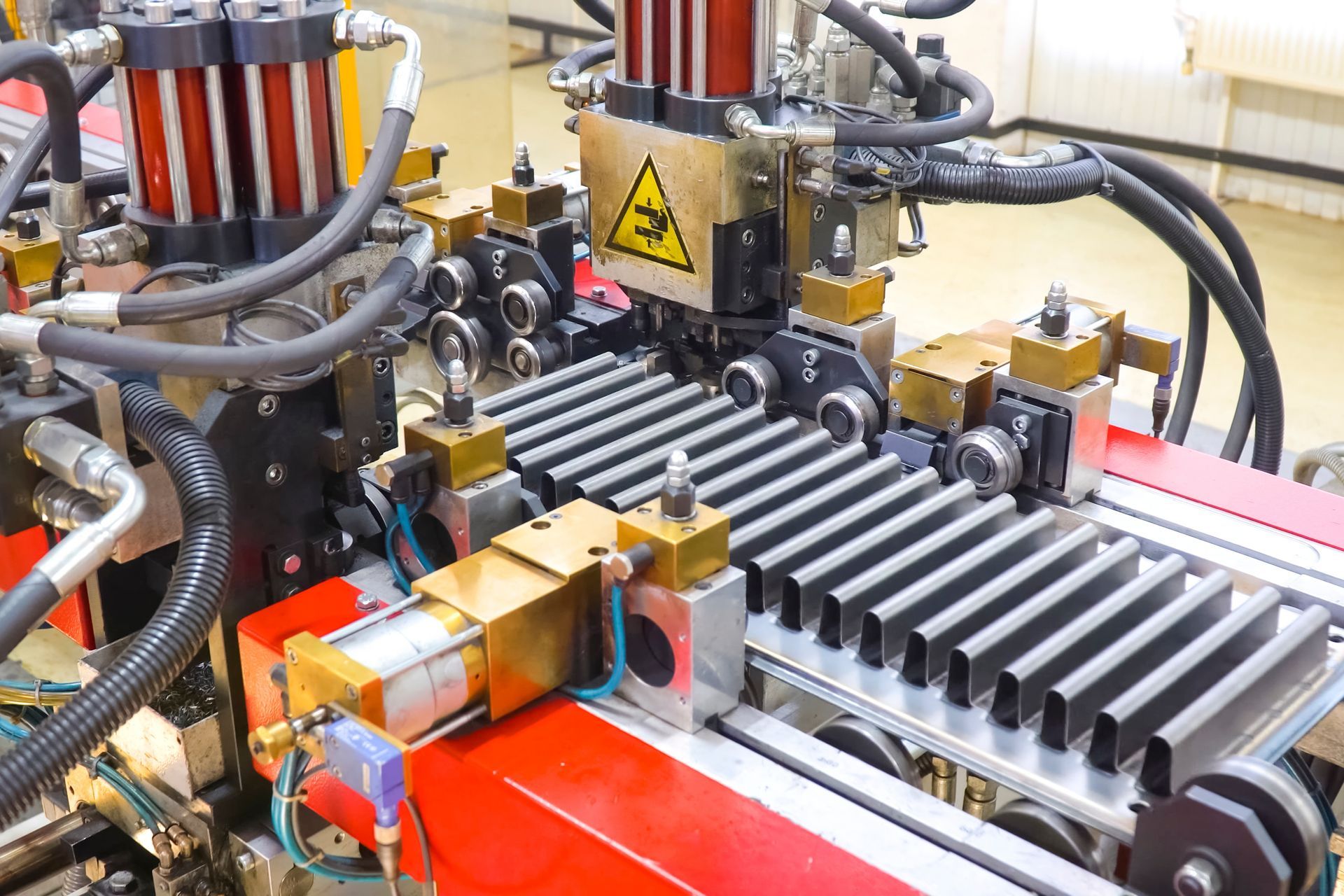
Not all radiators are created equal. OEM compliance, compatibility with harsh local environments, and availability of spares are paramount for long-term performance. Suppliers that collaborate directly with leading heavy-duty radiator manufacturers can source and tailor systems to client specifications, ensuring the best fit for the application, not just a generic “off-the-shelf” solution.
Heavy-Duty Radiator Repair: Practical Support for Asset Longevity
The true value in radiator service goes beyond the bench repair. Long-term asset performance relies on access to ongoing support, transparent technical advice, and a repair partner who’ll back their workmanship.
With MESABI® in Welshpool, WA, operators know they are placing trust in solutions purpose-built for Australian conditions. Communication is clear, expectations are realistic, and the approach is driven by decades of practical experience in the toughest sectors.
Contact Us for Expert Advice Today
Heavy-duty radiator repair is not just about a quick fix. It is the foundation for uptime and reliable performance in extreme industrial applications. For informed advice, practical solutions, and service from a trusted source,
contact MESABI®. Our team is ready to keep your equipment running where it matters most.